Summarize with
Determining whether to invest in roof repair services or a full roof replacement depends primarily on three factors: the age of the system, the physical extent of the damage, and the history of previous leaks. If the current roofing material is less than 15 years old and the damage is localized to a small area (less than 30 percent of the total surface), a professional repair often provides a cost-effective solution. However, if the roof is approaching 20 years of age or exhibits widespread structural issues, a full replacement is the more responsible choice to protect the home from long-term water damage.
Homeowners frequently face the dilemma of choosing between a quick fix and a permanent solution. This guide provides an objective look at the technical factors that influence this decision. Expert field experience suggests that ignoring small leaks leads to deck rot, while over-investing in a failing roof wastes capital. Right Direction Contracting, LLC, provides this data to help homeowners make choices based on structural facts and long-term financial stability rather than guesswork.
Common Signs of Roof Damage
Identifying issues early prevents minor leaks from becoming major structural failures. Homeowners should perform a ground-level check after major storms to look for visible changes.
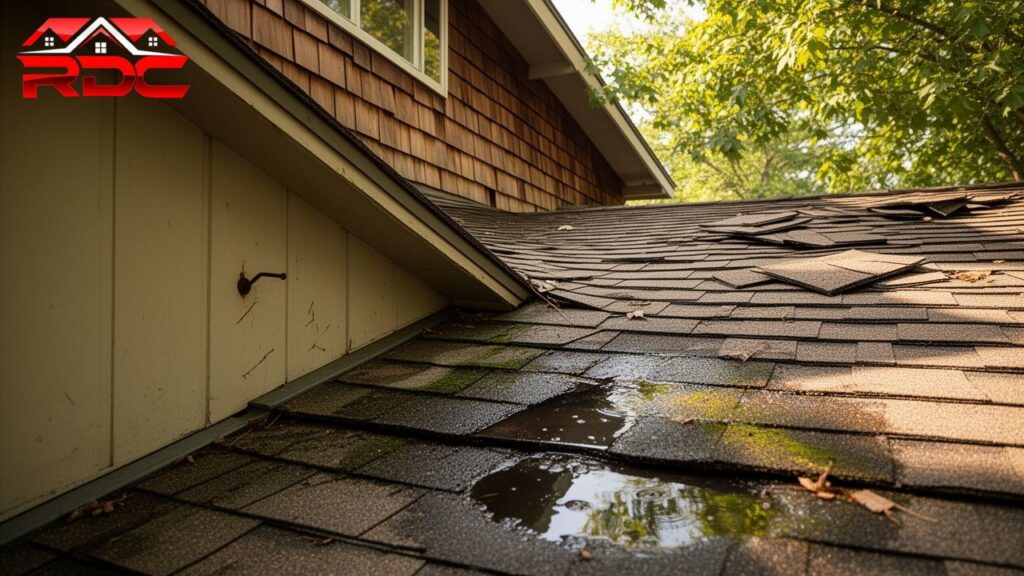
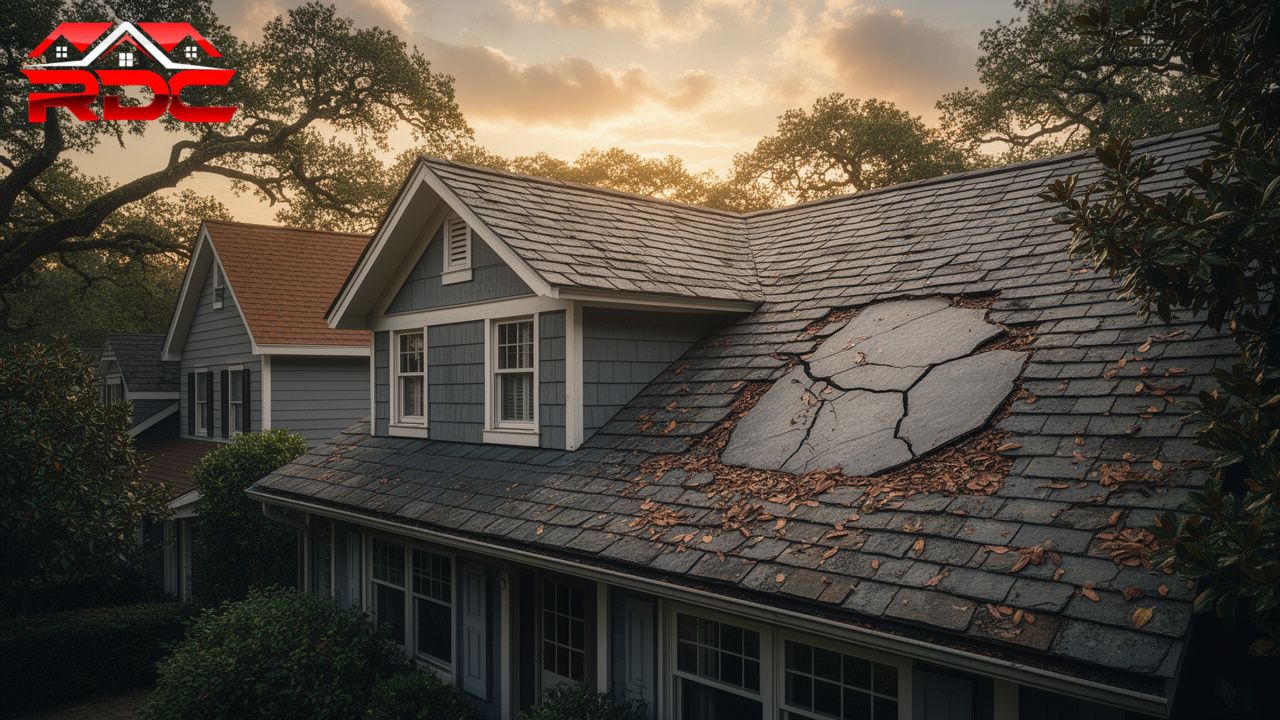
Missing or cracked shingles are the most obvious indicators that the exterior layer is failing. When shingles blow off, the underlayment is exposed to sunlight and rain, which causes it to degrade rapidly. Curling or cupping at the edges of shingles indicates that the material is drying out and losing its ability to shed water.
Granule loss is another symptom of an aging roof. If the gutters contain a heavy accumulation of sand-like particles, the shingles have lost their protective UV coating. Without these granules, the asphalt base becomes brittle and cracks under the heat of the sun. Inside the home, water stains on ceilings or walls indicate that the barrier is already compromised. Understanding common roofing problems that turn into costly home damage is the first step toward a more technical evaluation of the system’s overall viability.
Bonus Tip for Homeowners
Check the attic during a rainstorm. Use a flashlight to look for damp rafters or mold growth on the underside of the roof deck. Sometimes a leak travels far from its entry point, and the attic view reveals the true source more accurately than looking at the shingles from the ground.
Primary Roof Replacement Factors
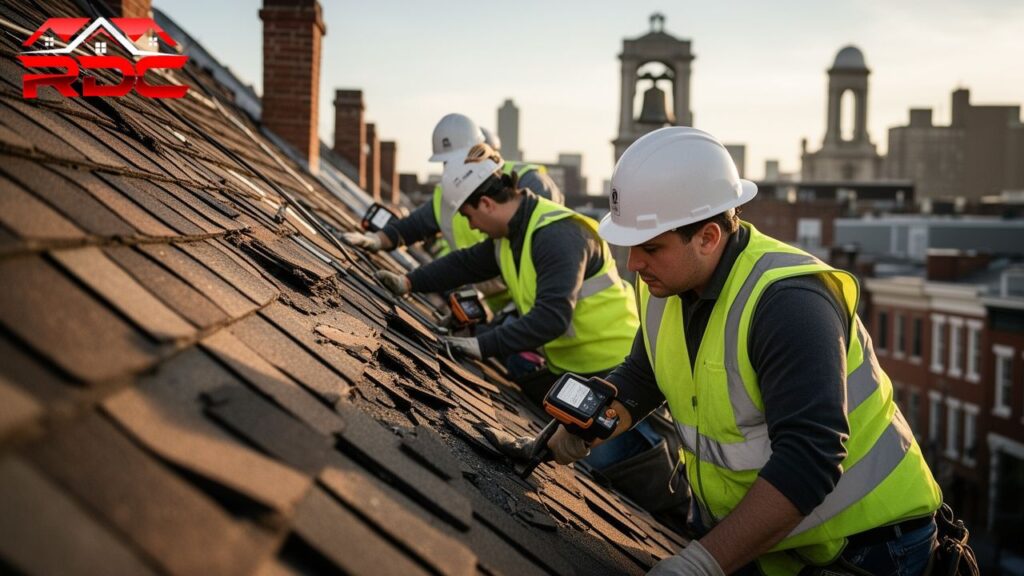
The decision to replace a roof involves more than just identifying a single leak. Professional standards involve a comprehensive roof damage evaluation that considers the entire system’s health.
Material Age and Lifespan
Every material has a projected service life. According to data from the International Association of Certified Home Inspectors, standard three-tab asphalt shingles typically last 15 to 20 years, while architectural shingles can last 25 to 30 years. If the roof is within five years of these limits, repair costs are often better spent toward a full replacement.
Percentage of Damaged Surface
If more than 30 percent of the roof shows signs of wear, a repair is usually a temporary patch. Replacing one section of a roof often leaves the remaining old sections vulnerable. This creates a mismatched appearance and leads to a cycle of recurring repair bills as different sections fail one by one.
Decking Integrity
A roofing contractor looks for soft spots in the plywood decking. If the wood underneath is soft, spongy, or rotting, the shingles can no longer be fastened securely. In these cases, a repair is impossible because the foundation of the roof has failed.
Roofing Cost Comparison
Financial planning for home maintenance requires understanding both immediate costs and long-term value. While a repair is cheaper today, the cost per year of life gained is often higher than that of a new installation.
Service Type | Average Cost Range | Expected Extension of Life | Best Use Case |
|
Minor Repair |
$350 – $900 |
1 – 3 years |
Replacing a few shingles or fixing a pipe boot leak. |
|
Major Repair |
$1,500 – $3,500 |
3 – 7 years |
Fixing a valley or a specific section damaged by a fallen branch. |
|
Roof Replacement |
$8,000 – $20,000+ |
20 – 50 years |
Replacing an aged system or a roof with widespread leaks. |
Data from the U.S. Census Bureau indicates that roofing is one of the most frequent exterior home improvements, reflecting its role as the primary defense against environmental damage. High-quality materials increase the resale value of a property, often allowing homeowners to recoup a significant portion of the installation cost.
Roof Inspection Tips for Property Owners
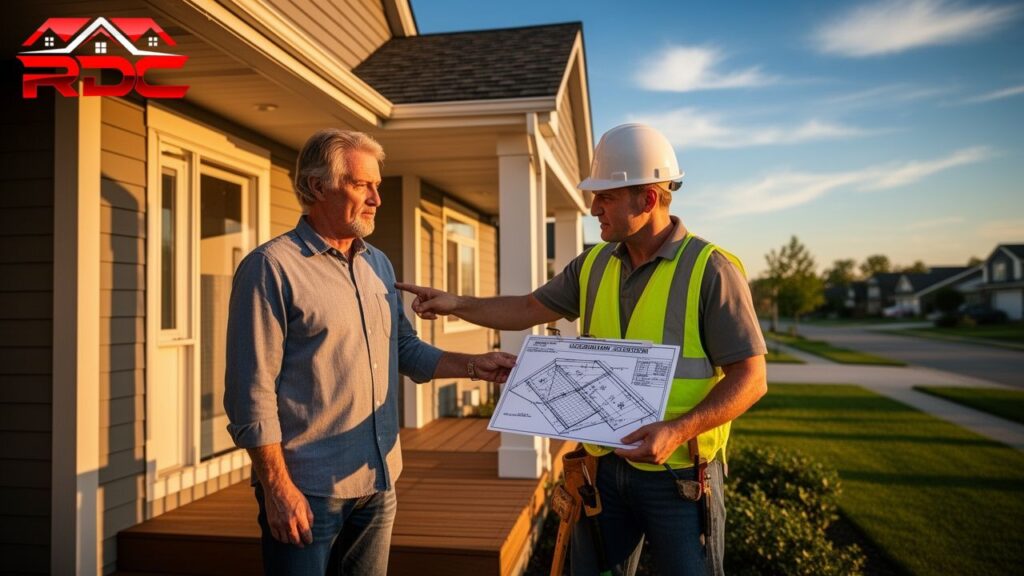
A formal inspection by a professional roofing contractor is necessary before making a final choice. However, homeowners can prepare by documenting specific issues.
- Check the flashing around chimneys, dormers, and vents. Flashing is a thin metal material designed to direct water away from seams. If it is rusted or pulled away, water will enter the home regardless of shingle quality.
- Inspect the gutters for sagging. Heavy gutters pull on the fascia board and can damage the edge of the roofline.
- Look for dark streaks or moss. While often aesthetic, heavy moss growth can trap moisture against the shingles and accelerate rot.
Bonus Tip for Storm Damage
If the damage occurred during a specific wind or hail event, check with the insurance provider. A report from the Insurance Institute for Business & Home Safety highlights that professional inspections are vital for verifying wind uplift damage, which might not be visible to the untrained eye.
Things to Consider Before Making a Decision
Before signing a contract for either a repair or a replacement, evaluate these environmental and logistical factors.
Regional Weather Patterns
In areas with high wind or heavy snowfall, a compromised roof is a severe liability. If the local climate is harsh, a full replacement provides better peace of mind than a patch. A new roof includes modern underlayment and ice and water shields that older roofs lack.
Real Estate Goals
If the plan is to sell the home within the next year, a new roof is a powerful selling point. Most buyers find it difficult to secure a mortgage on a home with a roof near the end of its life. If the plan is to stay in the home for decades, a replacement with high-durability materials like metal or thick architectural shingles is a better long-term investment.
Budget and Financing
While a replacement has a higher upfront price, many contractors offer financing. It is often more affordable to pay a monthly installment for a guaranteed 30-year roof than to pay thousands of dollars in cash for multiple repairs over several years.
Professional Understanding of Roof Repair Services
Minor repairs are suitable for specific, isolated incidents where the overall integrity of the system remains high. These interventions focus on targeted maintenance, such as restoring the watertight seal around roof penetrations or replacing localized components that have suffered impact damage.
When a professional performs a repair, they also check the surrounding area to ensure the leak hasn’t caused hidden damage. If the repair requires removing large sections of shingles, a contractor might find that the surrounding material is too brittle to be handled. If shingles crack when lifted, a localized repair is no longer a viable option and a broader replacement must be considered.
Common Questions about Roofing Options
Can I layer new shingles over old ones?
While some building codes allow for two layers of shingles, this is generally not recommended. A second layer traps heat, which shortens the life of the new shingles. It also prevents the contractor from inspecting the wood deck for rot and adds significant weight to the house structure.
What is the most durable roofing material?
Metal, slate, and tile are the most durable options. While asphalt is the most common due to its price point, materials like standing seam metal can last over 50 years with minimal maintenance, providing superior long-term value.
Does a new roof improve energy efficiency?
Yes, modern roofing systems use “cool roof” technology. According to the Department of Energy, reflective shingles and proper attic ventilation can reduce the temperature of the roof surface, which lowers the cooling load on the air conditioning system during the summer.
Expert Answers to Frequent Inquiries
How long does a typical roof replacement take?
Most residential roof replacements are completed in one to three days. The timeframe depends on the size of the house, the pitch of the roof, and the weather. A professional crew removes the old materials, repairs the deck, and installs the new system efficiently.
Is it possible to repair just one side of a roof?
Partial replacement is possible if a specific event, like a fallen tree, damaged only one slope. However, the new shingles will likely not match the old ones perfectly due to weathering and fading. This is usually done only when the rest of the roof is still in excellent condition.
How do I know if my roof has hail damage?
Hail damage often looks like small dimples or dark spots where the granules have been knocked away. Because it is hard to see from the ground, professionals check the metal vents first; if those are dented, the shingles likely sustained damage as well.
Why did my new roof leak?
If a new roof leaks, the issue is usually related to the flashing or the installation of the underlayment around roof penetrations. High-quality workmanship ensures that these transition points are sealed correctly during the initial installation.
Summary of Maintenance Choices
Selecting between repair and replacement requires a balance of technical assessment and financial planning. Targeted repairs work best for young roofs with isolated issues. Comprehensive replacement is the standard for aged systems, widespread damage, or failing structural decks. Prioritizing the integrity of the home’s primary shield ensures long-term safety and value. Homeowners should always seek a detailed inspection to confirm the current state of their roofing system before deciding on a path forward.
Guidance for Your Next Steps
Evaluating the health of a home requires an objective look at all structural components. Right Direction Contracting, LLC offers detailed assessments to help property owners understand the true condition of their roof. For those needing a professional evaluation or seeking more information on material options, contact the team at rightdirectioncontracting@gmail.com or call (215) 930-8390. Gathering accurate information is the first step toward a secure and durable home.
Sources
- International Association of Certified Home Inspectors – Provides standard life expectancy charts for various home components and roofing materials.
- U.S. Census Bureau – Tracks national trends in home improvement spending and common residential upgrades.
- Insurance Institute for Business & Home Safety – Offers research on how roofing systems perform during severe weather events and wind damage.
- Department of Energy – Explains the impact of roofing materials and ventilation on home energy efficiency and cooling costs.