Summarize with
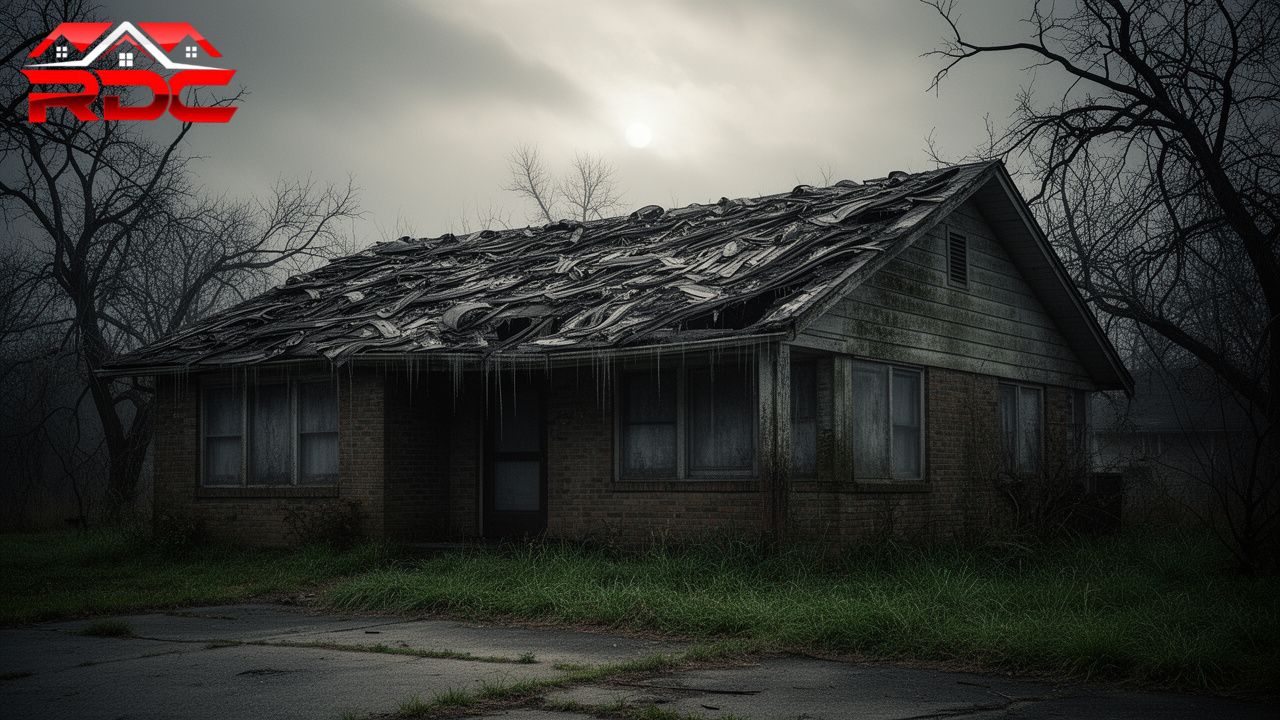
Ignoring minor roof issues leads directly to structural rot, mold infestation, and expensive interior repairs. Small gaps in flashing or a few missing shingles allow water to enter the home, where it quickly compromises wooden supports and insulation. Homeowners prevent these high costs by identifying roof warning signs early and scheduling professional roof repair services before water reaches the living space. Most residential roofing systems fail not because of a single event, but due to accumulated neglect of common roof problems.
Effective maintenance requires a proactive approach. Right Direction Contracting, LLC provides this guide to help property owners recognize damaged roof symptoms before they escalate into emergencies. Understanding the link between a small leak and a total roof replacement is the first step in protecting a property investment. By following a consistent roofing inspection checklist, homeowners can extend the life of their shelter and avoid the financial strain of sudden, major repairs.
Immediate Indicators of Roof Leak Signs
Water stains on a ceiling are the most obvious signs of trouble, but they often appear long after the damage has started. When water penetrates the outer layer of a home, it often travels along rafters or pipes before dripping onto the ceiling. This means the actual entry point on the roof might be far from where the stain appears indoors. Checking the attic with a flashlight during a rainstorm helps pinpoint these entry points. Look for damp insulation, water streaks on wood, or standing water on the attic floor. These signs can also indicate larger roofing concerns discussed in this roof lifespan guide.
Peeling paint or wallpaper near the tops of walls also indicates moisture infiltration. In many cases, this happens because of failed flashing around chimneys or dormers. Flashing acts as a seal between different roof planes or materials. When it cracks or pulls away, it creates a direct path for rain. A report by Angi indicates that catching these leaks early can save homeowners thousands of dollars compared to the cost of replacing water-damaged drywall and framing.
Missing Shingles and Surface Deterioration
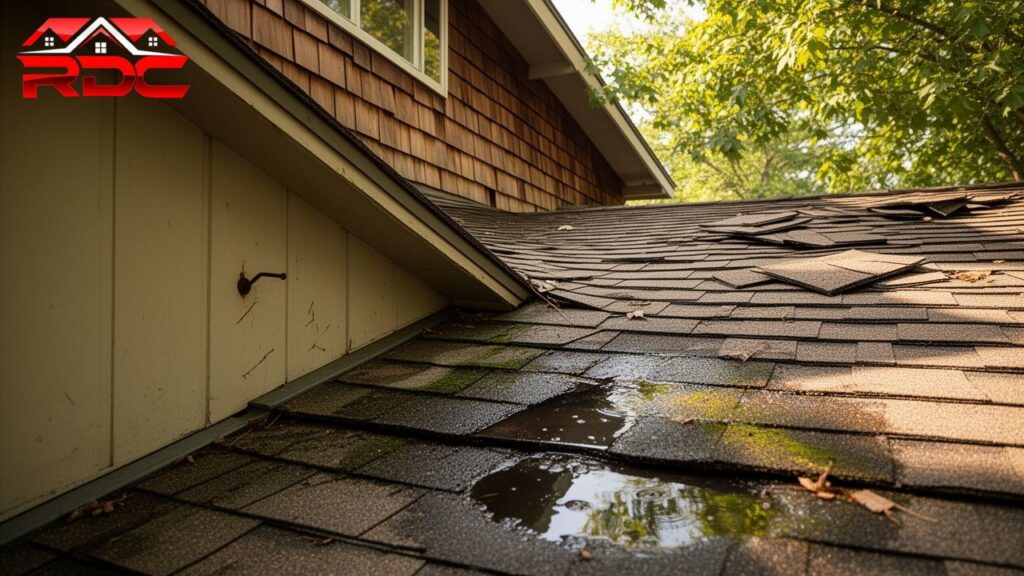
Wind and age are the primary enemies of asphalt shingles. High winds can lift shingles, breaking the sealant strip that holds them in place. Once this seal breaks, the shingle is prone to blowing off entirely or allowing water to seep underneath. Missing shingles leave the underlying wooden deck exposed to the elements. Without the protection of the shingle, the wood rots quickly, leading to sagging areas in the roofline.
Granule loss is another symptom of a failing roof. These small, sand-like pebbles protect shingles from ultraviolet rays. As shingles age, they shed these granules, which eventually collect in the gutters. If gutters contain a significant amount of shingle grit, the roof is likely reaching the end of its functional life. According to data from the International Association of Certified Home Inspectors, the typical lifespan of an asphalt shingle roof is 12 to 20 years, depending on the environment and maintenance levels.
Impact of Storm Roof Damage
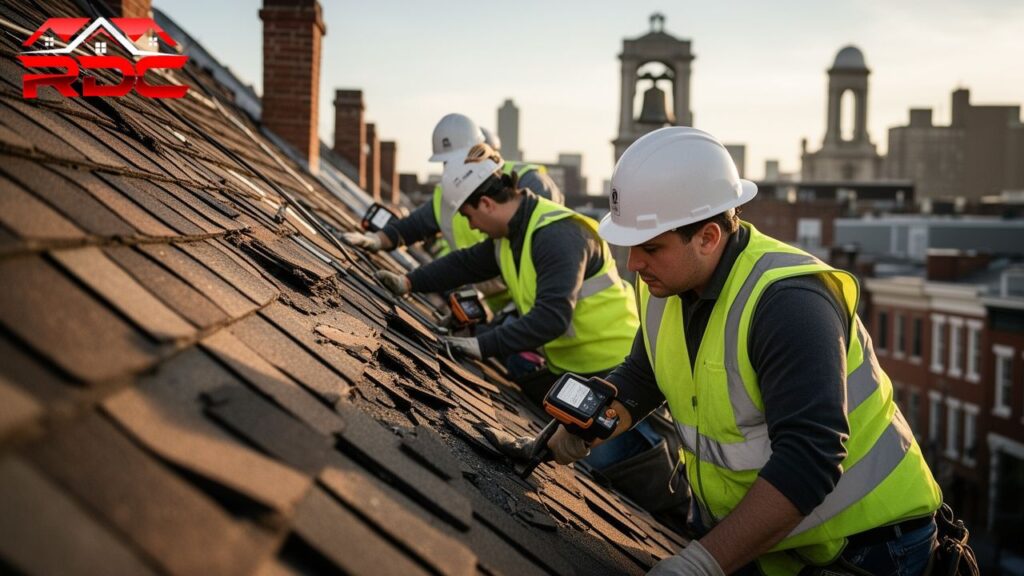
Severe weather events introduce sudden risks to residential roofing. Hail can bruise shingles, creating soft spots where water can eventually penetrate. These “bruises” are not always visible from the ground and require a close-up roofing inspection checklist to identify. Even if a roof looks intact after a storm, the integrity of the shingles might be compromised.
Debris from trees also poses a threat. Falling branches can puncture the roof membrane or crack shingles, while accumulating leaves often clog gutters. Clogged gutters prevent proper drainage, leading to water backing up under shingles and eventually causing foundation damage or basement leaks. Property owners should clear overhanging limbs to prevent this type of storm roof damage. If a large limb hits the house, structural damage to the trusses or rafters is possible, requiring an immediate evaluation by a professional roofing contractor.
Secondary Damage Caused by Poor Ventilation
While external forces cause immediate destruction, a roof also needs to breathe internally to stay healthy. Poor attic ventilation causes heat and moisture to build up under the roof deck. In the winter, this heat melts snow on the roof, which then refreezes at the colder eaves, forming ice dams. These dams trap water on the roof, forcing it under the shingles and into the home. In the summer, excessive heat bakes the shingles from the inside out, causing them to curl and become brittle prematurely.
Proper ventilation balances the temperature between the attic and the outdoors. This prevents moisture from condensing on the underside of the roof deck, which is a leading cause of mold and wood rot. Ensuring that soffit vents are not blocked by insulation is a simple but vital step in maintaining a healthy roofing system.
Table of Common Roof Issues and Potential Costs
|
Roof Problem |
Immediate Symptom |
Long-Term Consequence |
Estimated Repair Type |
|---|---|---|---|
|
Clogged Gutters |
Water overflowing |
Foundation damage and basement leaks |
Gutter cleaning and repair |
|
Missing Shingles |
Exposed roof deck |
Structural wood rot and ceiling leaks |
Shingle replacement |
|
Cracked Flashing |
Damp walls near the chimney |
Rotted wall studs and mold |
Flashing resealing |
|
Poor Ventilation |
Curled shingles |
Reduced roof lifespan and high energy bills |
Vent installation |
|
Ice Dams |
Icicles on eaves |
Rotted roof edges and interior flooding |
Insulation and venting updates |
Things to Consider Before Making a Decision
Before hiring a professional for roof repair services, homeowners must evaluate several factors to ensure they receive quality work.
- Contractor Reputation: Verify that the roofing contractor has a physical office and a valid tax identification number.
- Insurance and Licensing: Ensure the company carries both general liability insurance and workers’ compensation to protect against accidents on the property.
- Warranty Terms: Differentiate between the manufacturer’s warranty on materials and the contractor’s warranty on workmanship.
- Material Choice: Consider the local climate when choosing shingles. Some materials are better suited for high winds, while others resist algae growth in humid areas.
- Permit Requirements: Confirm if local building codes require a permit for the specific repair or replacement planned.
Practical Bonus Tips for Roof Longevity
Bonus Tip 1: Use binoculars to inspect the roof from the ground. This allows for a safe view of the shingles, flashing, and gutters without the risk of climbing a ladder. Look for cracked, buckled, or missing pieces.
Bonus Tip 2: Check for “daylight” in the attic. On a sunny day, turn off the lights in the attic and look for any spots where sunlight peeks through the roof boards. If light can get in, water can too.
Common Questions Regarding Roof Maintenance
How often should a roof be inspected?
Professional inspections should occur twice a year, usually in the spring and fall. These seasonal checks help prepare the home for extreme temperatures and heavy precipitation.
Can a new roof be installed over an old one?
While some building codes allow for two layers of shingles, it is generally not recommended. Adding a second layer hides existing wood rot and adds significant weight to the structure. Stripping the old materials allows for a full inspection of the roof deck.
What is the average cost of a roof repair?
Costs vary significantly based on the damage. Simple shingle replacements or flashing repairs are relatively inexpensive, while fixing structural rot or major leaks requires more labor and materials.
Frequently Asked Questions
What are the most common causes of roof leaks?
Leaks typically start around penetrations like chimneys, skylights, and vent pipes where flashing has failed. Clogged gutters that back up water under the shingles are another frequent cause.
How do I know if I need a repair or a full replacement?
A few missing shingles or a localized leak usually require a simple repair. However, if the roof is over 20 years old, sagging, or showing widespread granule loss, a full replacement is often more cost-effective in the long run.
Does homeowners’ insurance cover roof damage?
Insurance typically covers sudden, accidental damage like that caused by fire or storms. It rarely covers damage resulting from age or a lack of maintenance.
Why are my shingles curling?
Shingles curl due to either old age or excessive heat in the attic. If the curling is widespread on a relatively new roof, it is a strong sign that the attic lacks proper ventilation.
What should I do if my roof is leaking now?
Place a bucket under the leak to catch water and move valuables away from the area. If the ceiling is bulging, poke a small hole in the center of the bulge to drain the water and prevent the ceiling from collapsing.
Summary of Best Practices
Maintaining a home requires attention to the roof as the primary line of defense. Identifying roof warning signs such as missing shingles, granule loss, and water stains early prevents minor issues from becoming major financial burdens. A consistent roofing inspection checklist and timely intervention from a roofing contractor ensure the structure remains dry and safe. Property owners should focus on quality materials and proper ventilation to maximize the lifespan of their residential roofing. Evaluating the condition of the roof after every major storm is a necessary habit for any responsible homeowner.
Protect Your Home Investment
Proactive care is the only way to avoid the high costs of structural damage. Right Direction Contracting, LLC offers comprehensive assessments to identify hidden issues before they compromise a property. For reliable guidance on maintaining a safe and durable home, contact the team at (215) 930-8390 or via email at rightdirectioncontracting@gmail.com. Addressing small problems today ensures the long-term stability and value of the residence for years to come.
Sources
- Angi – Detailed breakdown of roof repair costs and the financial impact of delaying maintenance.
- International Association of Certified Home Inspectors – Comprehensive chart detailing the expected lifespan of various building materials, including roofing.
- FEMA – Official guidance on protecting residential structures from wind and water damage through proper roofing techniques.