Summarize with
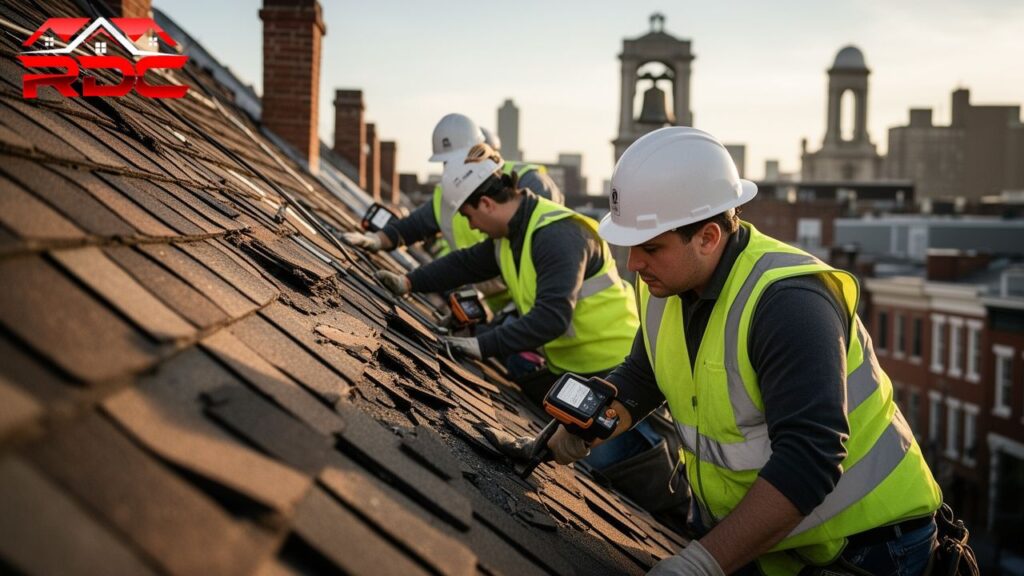
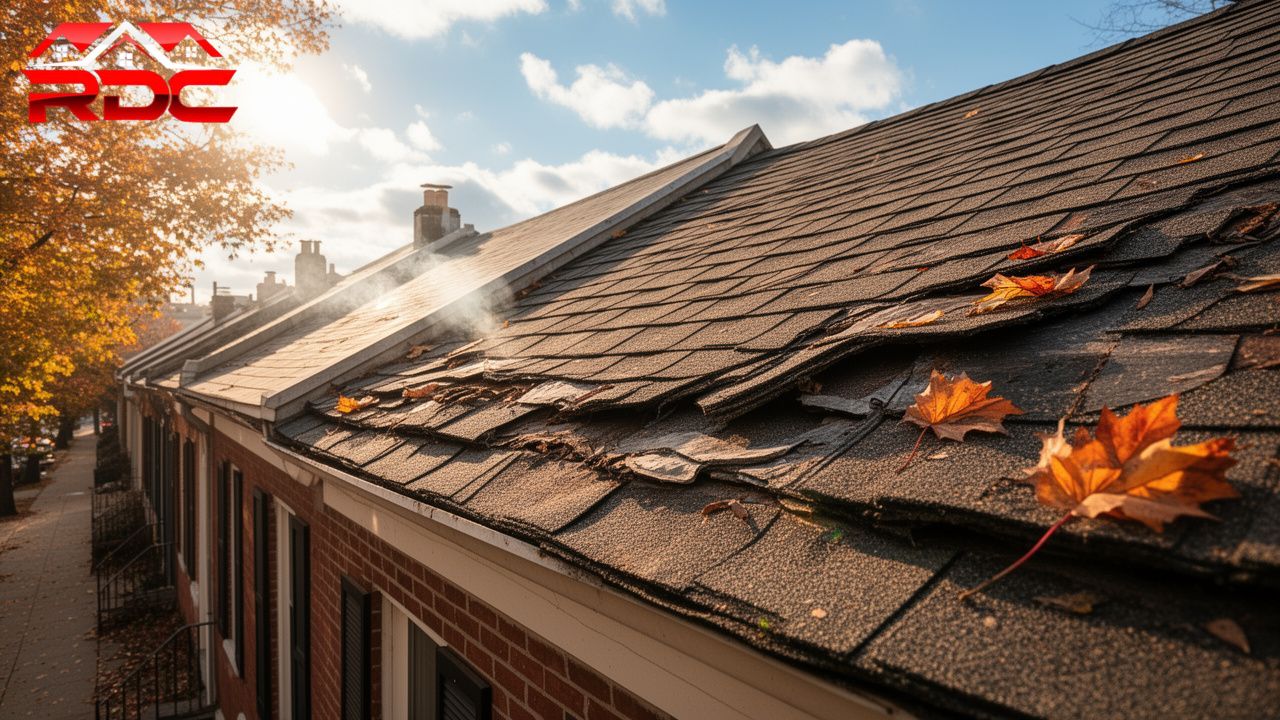
Most Philadelphia homeowners don’t call roofing contractors because they want a new roof; they call because something already looks wrong and they need to know if it’s serious. The truth is, a roof doesn’t fail all at once. It gives warnings for months, sometimes years, before a full replacement is unavoidable.
To seize is to determine if it’s an aesthetic or structural issue. A few wind-rippled bits of shingle? No big deal. If it collects in the gutters every time it rains, you can see the light from the ceiling through the decking, or if you have two layers of shingles with the first one under the second, there are different reasons for conversation.
This directly breaks down the real warning signs quality acting on, why Philadelphia’s climate especially shortens roof lifespan compared to drier regions, and the right time to schedule the work so it isn’t hurried or weather compromised.
Understanding Roof Lifespan in Pennsylvania
Not for every roofing material responds to the same method, and that unique fact drives almost every timing decision a householder makes. According to regional climate data, the Philadelphia area views a mix of damp summers, de-ice winters, and heavy spring storms, a mixture that’s harder on roofing materials than the milder, drier conditions found further south or inland.
For homeowners considering roofing services in Philadelphia,PA, three-tab asphalt shingles still prevalent on row houses and older twins across the city typically last 15 to 20 years in this sort of weather cycling. Architectural or dimensional shingles last much longer, often 25 to 30 years, because they are thicker and better resist the loss of granules and curling that cuts the useful life of a standard shingle.
Slate and clay tile, seen on some of Philadelphia’s older Victorian and colonial-style homes, can last for decades, but the underlayment underneath them usually requires attention long before the tile itself does. This distinction counts when estimating roof lifespan in Pennsylvania for an older property.
The Clearest Signs You Need a New Roof
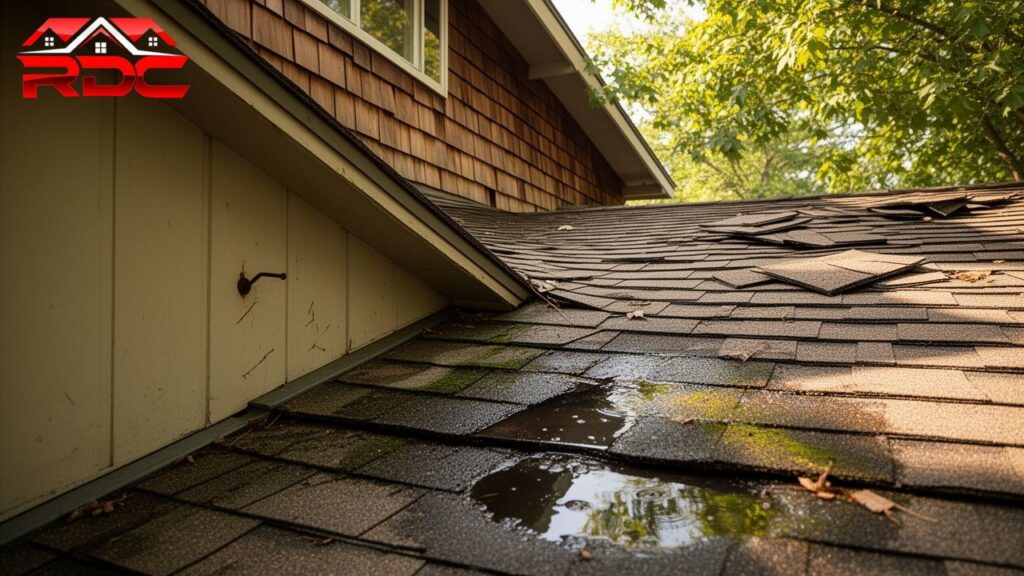
A roof rarely announces itself with one dramatic failure. It is usually a pattern and recognizing that pattern early is what separates a planned replacement from an emergency one. The table below lays out the most common signs you need a new roof what each one normally indicates and how urgently it needs a professional look.
| Sign | What It Usually Means | Urgency Level |
| Shingles curling or cupping at the edges | UV and heat cycling break down the asphalt | Moderate schedule an inspection within a few months |
| Granules piling up in gutters | The shingle surface is wearing thin, reduced UV protection | Moderate to High, depending on volume |
| Visible daylight in the attic | Gaps in the decking or flashing failure | High address before the next rain |
| Sagging roofline | Structural decking damage, possibly moisture-related | High needs immediate inspection |
| Missing or cracked flashing around chimneys/vents | Common leak entry point | High priority before storm season |
| Two or more shingle layers are already installed | Limits repair options; often signals a full tear-off is due | Moderate plan replacement rather than another overlay |
These roof replacement signs rarely show up in isolation. Seeing two or three of them together is usually the clearer signal that patch repairs won’t hold much longer.
How Philadelphia Weather Accelerates the Timeline
The one thing most homeowners undervalue, until it causes an actual leak, is ice damming. Poor attic insulation allows heat to run away, melting snow on the upper roof. The snow then ices up at the colder eaves and backs up water under the shingles. A local building authority analysis report after a hard winter will often trace an otherwise inscrutable ceiling stain directly back to this cycle rather than to a missed shingle.
Summer brings a different kind of weather damage to roofs in Philadelphia intense UV exposure combined with high humidity accelerates the breakdown of asphalt binders, which is why a roof installed with cheaper materials in a sun-exposed, south-facing home can show curling years ahead of the same product on a shaded north-facing one.
Replacement Process, Step by Step
- Schedule a full roof inspection: A qualified inspector checks decking, flashing, ventilation, and shingle condition, not just the visible surface.
- Get a written scope of work: This should specify decking replacement if needed, underlayment type, and shingle or material selection.
- Confirm permitting requirements: Philadelphia and surrounding municipalities typically require permits for full tear-offs, which a licensed contractor will pull on your behalf.
- Coordinate a weather window: Crews plan around at least a few consecutive dry days to avoid exposing the decking to rain mid-project.
- Tear off old roofing material: Complete removal, rather than a layover, allows the decking underneath to be properly inspected and repaired.
- Install new underlayment and flashing first: These layers matter more for long-term leak prevention than the shingles themselves.
- Complete final inspection and cleanup: A thorough crew walks the property line for stray nails and debris before calling the job finished.
Mistakes Homeowners Make When They Wait Too Long
Patching the same section of roof repeatedly, rather than addressing the underlying material age, is one of the costliest habits a homeowner can fall into. Every repair takes a little time, but it also delays the minute someone actually checks the decking underside, and by the time a leak shows up on the ceiling, the water has often been working its way through the insulation and forming for weeks already.
Things to Consider Before Scheduling a Replacement
- Age of the current roof. If it’s within a few years of its material’s typical lifespan, a repair is often just a delay tactic.
- Insurance timing. If storm damage is involved, coordinate the claim and the contractor’s estimate before work begins.
- Material upgrade options. Moving from standard three-tab to architectural shingles at replacement time is often a smaller cost difference than homeowners expect.
- Contractor licensing and local experience. A crew familiar with Philadelphia’s permitting process and rowhome-style roofing tends to avoid delays that out-of-area crews run into.
Frequently Asked Questions
Why does a roof last for 25 years in Philadelphia?
The lifespan of the standard asphalt shingle is 15 20 years while architectural shingles can last up to 25 30 years because of the freeze thaw climate Philadelphia experiences and the humid summer months which cause them to wear out faster than in milder climates.
What do you need to have on hand for a solid roof replacement list before you call in the contractor?
More than a shingle brand choice, a comprehensive checklist for solid roof replacement includes a complete inspection report, written scope of work, local permitting confirmation, proof of licensing and insurance, and a detailed underlayment and flashing plan.
May I just add a new layer of shingles rather than tear off existing shingles?
In some instances, it may even be possible, but in most cases, the decking will be hidden beneath the new shingles, and the new layer will likely have a shorter lifespan than if they were installed over a completely new roof. Most roofing contractors will recommend a full tear-off when a second layer is already in place, as it will make the decking underneath visible again and will extend the life of the new shingles.
Does storm damage always mean a full replacement is needed? Not always — isolated damage from a single storm can sometimes be repaired, but widespread granule loss, multiple missing shingles, or compromised flashing after a serious storm often points toward replacement being the more cost-effective long-term choice.
Is fall or spring really better than doing it in summer?
Yes, generally, extreme summer heat and winter cold can both interfere with proper shingle sealing, so late spring or early fall installation tends to produce a more durable, better-sealed roof.
Expert Advice for Philadelphia Homeowners
Not all of the longest-lasting roofs in this area are the most costly; they’re simply the roofs where issues were fixed before they became major and unmanageable. Before the leak becomes a leak, it is essential to be aware of granule loss, attic daylight, and ventilation concerns; and importantly, the right time of the year to perform the work is just as important as the right material.
Expert Support for Your Roof Replacement
Right Direction Contracting, LLC handles full roof inspections, storm damage assessments, and complete roof replacements for homeowners throughout the Philadelphia area. Contact Right Direction Contracting, LLC at (215) 930-8390 or email rightdirectioncontracting@gmail.com to discuss your roof’s specific condition and the right timeline for your property.
Sources