Summarize with
Pennsylvania weather presents a unique set of challenges for residential structures because of the state’s position in a transition zone between humid subtropical and humid continental climates. Homeowners often face hidden roofing problems such as ice dams that rot structural plywood, thermal shock that cracks shingles, and excessive humidity that breeds mold in attic spaces. These issues frequently go unnoticed because they occur beneath the surface of the shingles or within the ventilation system, only becoming apparent once interior water damage occurs.
Protecting a home requires understanding how local weather patterns interact with specific building materials. This guide identifies the specific risks associated with each season in the Keystone State and provides actionable steps to identify damage before it leads to expensive structural repairs. Right Direction Contracting, LLC, provides this information to help residents maintain safe and dry homes throughout the year.
Immediate Threats from Pennsylvania Climate Patterns
The primary driver of roof deterioration in this region is the frequent cycling between freezing and thawing. When temperatures fluctuate around the 32-degree mark, moisture that has seeped into small cracks expands as it freezes, widening those gaps. This process affects everything from the shingles to the flashing around chimneys. According to data from the National Oceanic and Atmospheric Administration, Pennsylvania experiences significant annual precipitation that puts constant pressure on drainage systems.
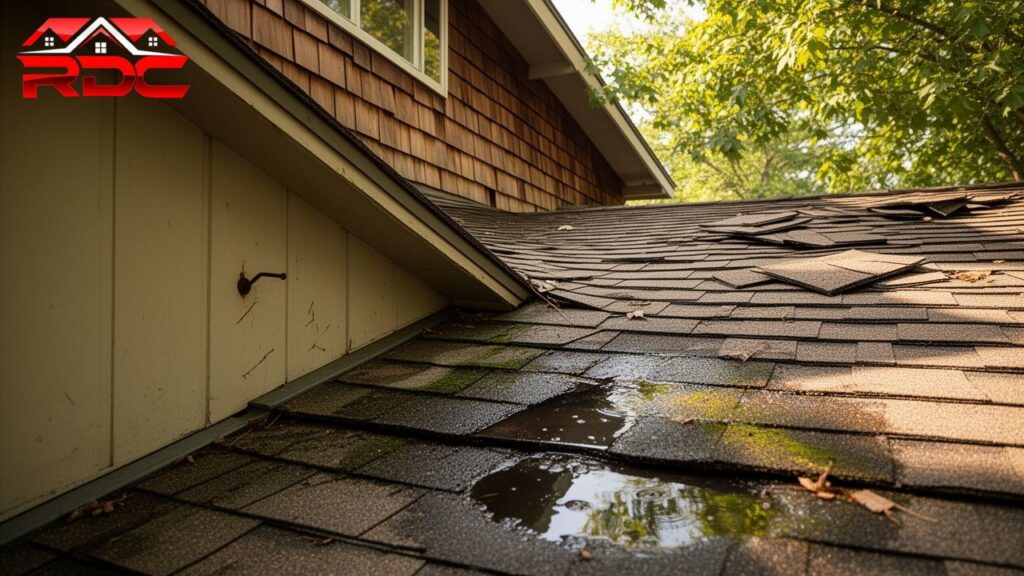
Wind damage is another silent threat. Even without a major hurricane, localized wind gusts can lift the edges of shingles, breaking the sealant bond. Once this bond fails, the shingle no longer provides a watertight seal, yet it often lies back down flat, making the damage invisible from the ground. This creates a path for wind-driven rain to reach the underlayment.
Winter Roof Problems and Structural Stress
Winter in Pennsylvania is not just about the weight of snow. The most destructive hidden problem is the formation of ice dams. This occurs when heat escapes from the living space into the attic, warming the roof deck and melting the bottom layer of snow. The meltwater runs down to the cold eaves, where it refreezes, creating a ridge of ice.
This ice ridge traps subsequent meltwater, forcing it upward under the shingles. Standard shingles are designed to shed water moving downward, not to resist standing water moving upward. Over time, this water bypasses the shingles and soaks the roof sheathing. A study by the Department of Energy explains that proper attic insulation and ventilation are the only ways to prevent the temperature imbalances that cause these dams.
Expansion and Contraction Issues
Pennsylvania roofs undergo extreme thermal expansion and contraction. On a clear winter day, the sun can heat dark shingles to well above freezing, only for the temperature to plummet once the sun sets. This rapid change, known as thermal shock, causes materials to expand and contract quickly. This stress leads to splitting in the asphalt mat of the shingle and can pull fasteners loose from the wooden deck.
Spring and Summer Weather Roof Damage
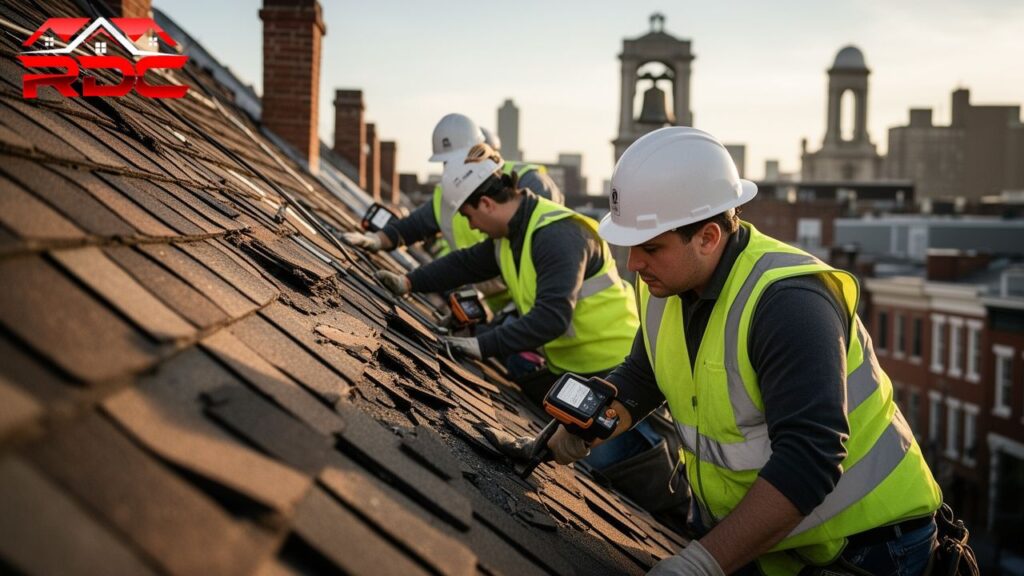
As the weather warms, the risks shift from ice to impact and heat. Spring often brings severe thunderstorms and hail. Even small hail can strip the protective mineral granules from asphalt shingles. These granules are not just for color; they protect the underlying bitumen from ultraviolet radiation. According to the Insurance Information Institute, wind and hail damage represent a massive portion of annual property insurance claims, often involving damage that is difficult to see without professional equipment.
Impact of High Humidity
During the summer, Pennsylvania experiences high humidity levels that can trap moisture in the attic. While extreme heat bakes shingles from the bottom up—making them brittle and less flexible—it is the lack of proper airflow that causes the most significant damage. Stagnant, moist air creates a breeding ground for mold and mildew on the underside of the roof deck, compromising the health of the entire structure.
Bonus Tip: Check your attic for a “musty” smell or dark streaks on the wood during the humid months of July and August. These are early warning signs that your ventilation system is failing to exhaust moist air effectively.
Hidden Impact of Humidity and Ventilation
Effective ventilation is essential for long-term roof health. A balanced system requires intake vents at the soffits and exhaust vents at the ridge to maintain constant airflow. If a homeowner adds extra insulation and accidentally blocks the soffit vents, this circulation stops. Such mistakes lead to premature shingle failure and can even void manufacturer warranties.
Proper airflow also prevents internal condensation. In the winter, warm air from the living space carries moisture into the attic. If this air hits the cold underside of the roof deck, it turns into liquid water. This “attic rain” is often mistaken for a traditional roof leak, but it is actually a symptom of a failing ventilation system.
Seasonal Roof Maintenance Checklist
Using a structured approach to inspection helps identify hidden issues before they escalate. The following table outlines the focus areas for different times of the year.
Season | Primary Focus Area | Hidden Warning Signs |
|
Spring |
Gutter Services |
Granules in the downspouts indicate shingle wear |
|
Summer |
Ventilation |
Excessive heat in the attic or curling shingle edges |
|
Fall |
Debris Removal |
Sagging gutters or water stains on the fascia boards |
|
Winter |
Ice Prevention |
Large icicles are forming only on specific parts of the eaves |
Things to Consider Before Choosing a Roofing Strategy
Before deciding how to address weather-related wear, consider several environmental factors unique to your specific location.
- Tree Canopy Coverage: Homes with heavy shade stay wet longer after rain, increasing the risk of moss and algae growth which traps moisture against the shingles.
- Roof Pitch: Flatter roofs are more susceptible to snow load and standing water, requiring different underlayment than steep-sloped roofs.
- Wind Orientation: Identify which side of the house faces the prevailing winds. This side will likely lose granules faster and require more frequent inspections.
- Material Compatibility: Not all roofing materials handle Pennsylvania temperature swings equally. Metal roofs expand more than shingles, requiring specific fastening systems to avoid buckling.
Common Questions About Local Roof Integrity
Understanding the lifespan of a roof in the Northeast is different than in other climates. Homeowners often ask how long their materials should realistically last. While a shingle might have a 30-year warranty, the intense Pennsylvania weather cycles often reduce the functional lifespan to 20 or 25 years.
Another common concern involves the necessity of gutter services. Gutters are the primary defense against foundation damage and basement leaks. If gutters are clogged, water backs up under the roof edge, leading to rot in the starter shingles and the fascia board. Consistent cleaning is a fundamental part of roof care for any local resident.
Bonus Tip: After a major storm, do not just look at the roof. Check the ground around the house. If you see pieces of grey or black “sand” or small chunks of shingle material, your roof has likely suffered significant impact or wind damage.
Frequently Asked Questions About Weather Protection
How do I know if I have storm roof protection?
Protection starts with high-quality installation. Utilizing high-wind-rated shingles and synthetic underlayment provides a better barrier against the elements than basic felt paper. Ensuring your contractor uses six nails per shingle instead of four also significantly increases wind resistance.
Are winter roof problems avoidable?
Most winter issues stem from heat loss. By sealing air leaks between the living space and the attic and ensuring thick insulation, the roof deck stays cold. A cold roof deck prevents the melt-and-freeze cycle that creates ice dams.
What are the signs of roof climate impact?
Look for “crazing” or small cracks in the asphalt surface, which indicates that heat and UV exposure have dried out the shingle oils. You might also notice shingles that appear “wavy,” suggesting the wooden deck underneath is warping from moisture.
When should I seek roof repair services?
Seek professional help if you notice interior ceiling stains, missing shingles, or if your roof is more than 15 years old and has recently weathered a major hailstorm. Early repairs are significantly less expensive than a full replacement.
Final Thoughts on Protecting Your Investment
Pennsylvania weather is relentless, but a roof can withstand these challenges if hidden vulnerabilities are managed. Homeowners should focus on maintaining clear gutters, ensuring proper attic ventilation, and conducting visual inspections after every season. Addressing small issues like a loose piece of flashing or a blocked vent prevents the structural decay that leads to catastrophic failure. Proactive care is the most effective way to ensure long-term protection for any home.
Professional Assistance for Your Home
Maintaining a roof requires a combination of regular homeowner observation and professional expertise. For those who need a detailed assessment of their home’s exterior or assistance with seasonal maintenance, professional help is available. Right Direction Contracting, LLC offers comprehensive inspections and services to address the specific climate challenges of the region. Residents can reach out via email at rightdirectioncontracting@gmail.com or call (215) 930-8390 to discuss their specific needs. Taking the right steps now ensures the home remains a safe environment regardless of what the Pennsylvania weather brings.
Sources
- National Oceanic and Atmospheric Administration – Provides climate data and precipitation statistics for the Pennsylvania region.
- Department of Energy – Offers technical guidance on attic insulation, ventilation, and preventing ice dams.
- Insurance Information Institute – Supplies data regarding the frequency and cost of wind and hail damage in the United States.
- FEMA – Provides resources on structural protection against severe weather and flood prevention.