Summarize with
Deciding between a patch job and a full roof replacement depends on the age of the materials, the extent of the damage, and the recurring cost of maintenance. Repair stops making sense when the cost to fix specific issues exceeds 25 percent of the total replacement value or when the roof has reached 80 percent of its expected service life. If leaks occur in multiple locations or structural decking shows signs of sagging, immediate replacement is usually more cost-effective than temporary fixes.
A damaged roof symptoms check often reveals that small issues hide larger structural problems. Property owners frequently spend thousands on incremental roof repair services only to require a full replacement a year later. This guide provides a clear roof replacement timeline and practical metrics to determine if a structure remains sound. The information here draws from years of field experience in residential construction and established industry standards for material durability.
Standard Lifespan for Common Roofing Materials
Different materials offer varying levels of durability and require different maintenance schedules. Understanding the expected roof lifespan of a specific material helps set realistic expectations for when to stop investing in repairs. While asphalt shingles are common, their longevity is significantly shorter than that of metal or tile alternatives.
|
Material Type |
Typical Lifespan (Years) |
When Repair Stops Making Sense |
|
3-Tab Asphalt Shingles |
15 to 20 |
After 12 to 15 years or if 20% is damaged |
|
Architectural Shingles |
25 to 30 |
After 20 to 25 years or widespread granule loss |
|
Metal Roofing |
40 to 70 |
If structural rust occurs or fasteners fail widely |
|
Clay or Concrete Tile |
50 to 100 |
When the underlayment fails, regardless of tile health |
|
Wood Shakes |
20 to 30 |
Widespread rot, splitting, or moss infestation |
A report from the International Association of Certified Home Inspectors indicates that while the physical material might look intact, the underlying waterproofing layers often fail much sooner. This is particularly true for tile roofs, where the tiles outlast the felt paper beneath them.
Physical Indicators of an Aging Roof
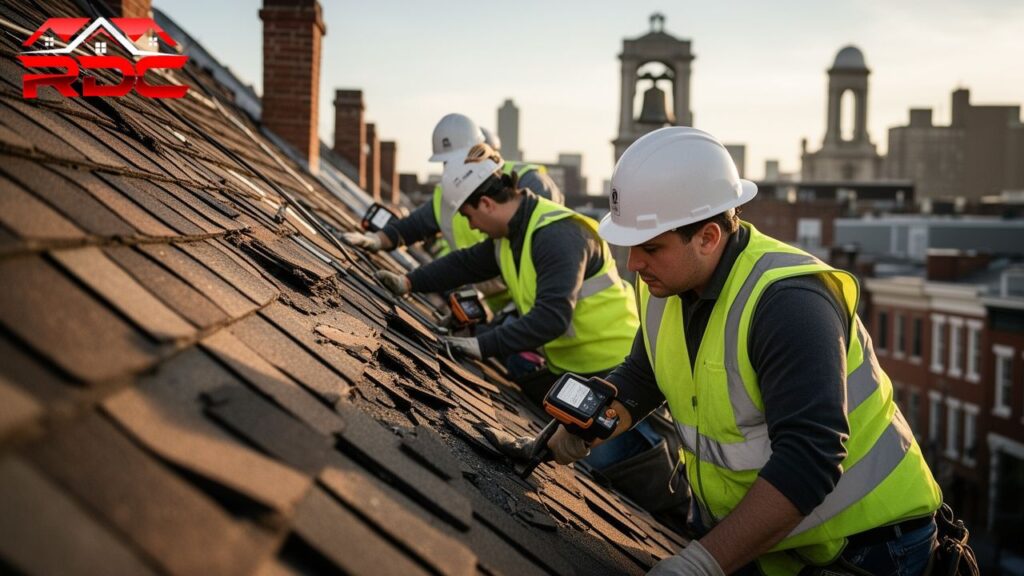
Visible wear is the most direct way to perform a thorough roof condition assessment. As shingles age, they lose the protective granules that shield them from ultraviolet radiation. When these granules wash away into the gutters, the underlying asphalt becomes brittle and prone to cracking.
Visible Surface Damage
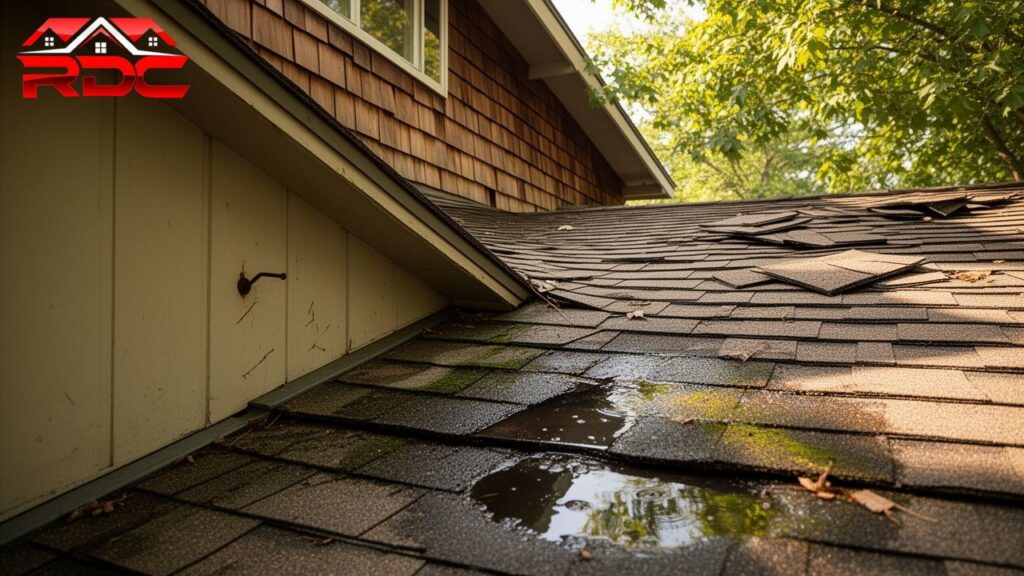
Curling or cupping edges on shingles suggests that the material is no longer adhering properly. This typically happens because the shingles are drying out. Once shingles become brittle, they can no longer expand and contract with temperature changes. Missing shingles are another clear sign of trouble. While a few can be replaced, widespread loss suggests the adhesive strips across the entire roof are failing.
Interior Moisture Signs
Water stains on a ceiling or attic rafters are obvious signs of a leak. However, a roof inspection guide should also emphasize looking for dark spots or streaks on the underside of the roof decking. This often indicates slow, persistent moisture infiltration that may not have dripped through the ceiling yet but is already rotting the wood structure.
Attic Ventilation and Insulation
Heat buildup in an attic can bake shingles from the inside out. If an attic feels significantly hotter than the outside temperature during the summer, the ventilation system might be failing. This accelerated material degradation is a common reason why a roof replacement timeline moves up faster than expected.
Bonus Tip: Check the gutters for a heavy accumulation of granules. If the gutters look like they are filled with coarse sand, the shingles are nearing the end of their functional life.
Financial Metrics for Replacement Decisions
The decision to stop repairing often comes down to simple math. Property owners should track the total amount spent on roof repair services over a three-year period. If those costs are rising each year, the roof is likely in a state of systemic failure.
According to data published by Hiring a Professional Roofer, the average cost of a roof replacement varies by region, but the long-term ROI is generally high. Replacing a roof before it fails completely prevents expensive interior repairs to drywall, flooring, and electrical systems.
The 25 Percent Rule
If a single repair quote exceeds 25 percent of the cost of a full roof replacement, the investment in a repair is rarely wise. Older roofs are more difficult to repair because the surrounding shingles are brittle. Attempting to fix one area often causes damage to the neighboring shingles, leading to a cycle of endless patches.
Insurance and Warranty Factors
Reviewing the current warranty is a vital part of a roof condition assessment. Many warranties are pro-rated, meaning they cover less as the roof ages. If a roof is past its warranty period, the homeowner bears the full risk of any future leaks. Some insurance companies also increase premiums or deny coverage for homes with roofs older than 20 years.
Environmental Impacts on Roof Health
Local weather patterns dictate how quickly a roof moves through its lifecycle. High winds, heavy snow loads, and intense sun exposure all contribute to material fatigue.
Storm Damage vs Age
It is important to distinguish between aging roof signs and sudden storm damage. Hail can bruise shingles, creating soft spots that eventually turn into holes. Wind can lift shingles, breaking the seal and allowing rain to blow underneath. A professional roofing contractor can help identify if the issues are due to a specific event or general wear.
Impact of Overhanging Trees
Trees that hang over a house can cause physical damage through falling limbs and abrasive branches. They also drop leaves and needles that trap moisture against the roofing material. This environment encourages the growth of moss and algae, which can eat into the shingle base.
Bonus Tip: Keep tree branches trimmed at least ten feet away from the roof line to prevent squirrels and other rodents from gaining easy access to the attic.
Things to Consider Before Making a Decision
Before committing to a major project, evaluate the long-term goals for the property. If a homeowner plans to sell the house within the next year, a new roof can increase the resale value and make the home easier to inspect. Conversely, if the home is a long-term residence, investing in higher-quality materials like metal or thick architectural shingles may save money over several decades.
Energy efficiency is another factor. Modern roofing materials often include reflective properties that lower cooling costs. The Department of Energy states that cool roofs can significantly reduce the temperature of the roof surface, which translates to lower air conditioning bills during the summer months.
Common Questions About Roof Longevity
Property owners often ask if they can simply install a second layer of shingles over the old ones. While this is sometimes legal according to local building codes, it is generally not recommended. A second layer traps heat, which shortens the life of the new shingles. It also prevents a roofing contractor from inspecting the decking for rot or structural damage.
Another frequent question involves the timing of the replacement. Is there a best season for a roof replacement? While work can happen year-round, spring and fall offer the most stable temperatures for asphalt shingles to seal properly. Extreme cold can make shingles brittle during installation, while extreme heat can make them too soft to walk on without causing damage.
Common Roof Concerns Answered
How long does a typical roof inspection take?
A thorough professional inspection usually takes between 45 and 90 minutes. This includes a physical walk on the roof, an assessment of the attic, and a check of the exterior drainage systems.
Can a roof leak be fixed without replacing the whole roof?
Yes, if the leak is caused by a specific localized issue, like a damaged pipe boot or a few missing shingles. If the leak is caused by general material degradation, a patch will only provide a temporary solution.
What is the most durable roofing material for high winds?
Metal roofing and high-impact asphalt shingles are designed to withstand significant wind speeds. Proper installation with the correct number of fasteners is just as important as the material itself.
Does a new roof improve home insulation?
While the shingles themselves provide minimal insulation, the replacement process allows for the installation of better underlayment and the correction of attic ventilation. These improvements significantly impact the thermal performance of the home.
Summary of Replacement Indicators
Knowing when to stop repairing involves looking at the big picture of a home’s health. Widespread shingle damage, frequent leaks, and reaching the end of the material’s expected lifespan are the primary triggers for a full replacement. Professional teams, such as Right Direction Contracting, LLC, provide detailed assessments to help homeowners make informed choices based on structural facts. By following a clear roof replacement timeline and monitoring for aging roof signs, property owners can avoid the stress of emergency failures. Always prioritize a professional roof condition assessment when multiple leaks occur or when the cost of maintenance begins to outweigh the value of the protection provided.
Contact for Professional Assistance
For an accurate evaluation of any residential structure, professional guidance is necessary. Right Direction Contracting, LLC offers comprehensive assessments to determine the most cost-effective path forward for your home. Reach out to Right Direction Contracting, LLC at (215) 930-8390 or via email at rightdirectioncontracting@gmail.com for detailed information on maintenance and material options. Expert advice ensures that the home remains protected through every season and that investments in the structure are handled wisely.
Sources
- International Association of Certified Home Inspectors – A professional organization providing standards for home inspections and material life expectancy.
- Hiring a Professional Roofer – A consumer resource detailing the costs and benefits associated with professional roofing services.
- Department of Energy – A government source providing data on energy-efficient building materials and cool roof technology.